In today’s fast-paced hiring environment, recruiters are expected to process applications quickly, identify top talent early, and reduce time-to-hire—all while improving the candidate experience. For companies receiving hundreds or even thousands of applications per role, this is a major challenge. That’s where automated candidate screening comes in.
Automated screening eliminates repetitive manual tasks and leverages artificial intelligence to evaluate applicants efficiently and consistently. By integrating automation into your recruiting process, you can focus on what really matters: connecting with the best candidates.
Watch: Automated candidate screening in 60 seconds
Read the transcript
What is automated candidate screening, and why are recruiters moving to it? Picture one role with hundreds, even thousands, of applications. Nobody can read them all carefully. Automated candidate screening uses AI and machine learning to assess applications, resumes, and sometimes first interview answers. Instead of a recruiter reviewing every one, the tool does four jobs. It parses each resume. It matches candidates to the job description. It ranks applicants on their qualifications. And it triggers the next step, like an interview or an assessment. Here's how a full process usually runs, in five steps. Resume parsing pulls the key data out of each resume. AI scoring ranks candidates against the job criteria: experience, skills and education. Then AI interviews assess soft skills, like communication, confidence and problem solving. You get structured output: a ranked list with scorecards, notes and video highlights. And everything flows into your applicant tracking system. Why does it matter? Speed. Hundreds of applications reviewed in minutes. Scale: the same process whether you hire 10 people or 1,000. Consistency: every candidate is judged by the same rules and criteria, which helps reduce unconscious bias. And recruiters get their time back for engaging and interviewing candidates. It fits best in high-volume hiring, like retail, customer support and tech roles. Remote and global teams that need asynchronous evaluation. Startups scaling quickly with lean teams. And roles where communication matters. Our AI recruiter screens and interviews candidates, with the ATS you already run, or ours. The full guide is linked below.
What Is Automated Candidate Screening?
Automated candidate screening uses AI and machine learning to assess job applications, resumes, and sometimes even initial interview responses. Instead of relying on human recruiters to review every application, automation tools:
- Parse and analyze resumes
- Match candidates to job descriptions
- Rank applicants based on qualifications
- Trigger next steps in the hiring funnel (e.g., interviews or assessments)
This technology helps streamline the top of the hiring funnel and ensures that only the most relevant candidates move forward.
How It Works
Platforms like NTRVSTA take automated screening to the next level by combining resume analysis with real-time, AI-powered interviews. Here’s how the process typically works:
- Resume Parsing: Extracts and organizes key data from each applicant’s resume.
- AI Scoring: Ranks candidates based on alignment with job criteria, such as experience, skills, and education.
- Soft Skill Evaluation: Uses AI interviews to assess communication, confidence, and problem-solving ability.
- Structured Output: Delivers a ranked list of candidates, complete with scorecards, notes, and video highlights.
- ATS Integration: All screening data flows seamlessly into your existing Applicant Tracking System.
Why Automated Screening Matters
1. Speed and Efficiency
Manually screening resumes is time-consuming. Automation allows recruiters to evaluate hundreds of applications in minutes, dramatically reducing time-to-hire.
2. Scalability
Whether you're hiring 10 or 1,000 people, automated screening ensures a consistent, high-quality process at scale.
3. Consistency and Fairness
Every candidate is evaluated using the same set of rules and criteria, helping to reduce unconscious bias and improve inclusivity.
4. Better Use of Recruiter Time
By automating repetitive tasks, recruiters can focus on high-value activities like candidate engagement and interviewing.
5. Data-Driven Decisions
Structured outputs give hiring teams clear, actionable insights into each applicant’s strengths, beyond what a resume alone can show.
Ideal Use Cases
Automated candidate screening is especially valuable for:
- High-volume hiring (e.g., retail, customer support, tech roles)
- Remote or global teams needing asynchronous evaluation
- Startups scaling quickly with lean teams
- Organizations focused on reducing bias and improving equity
- Roles where soft skills and communication matter
Why NTRVSTA Stands Out
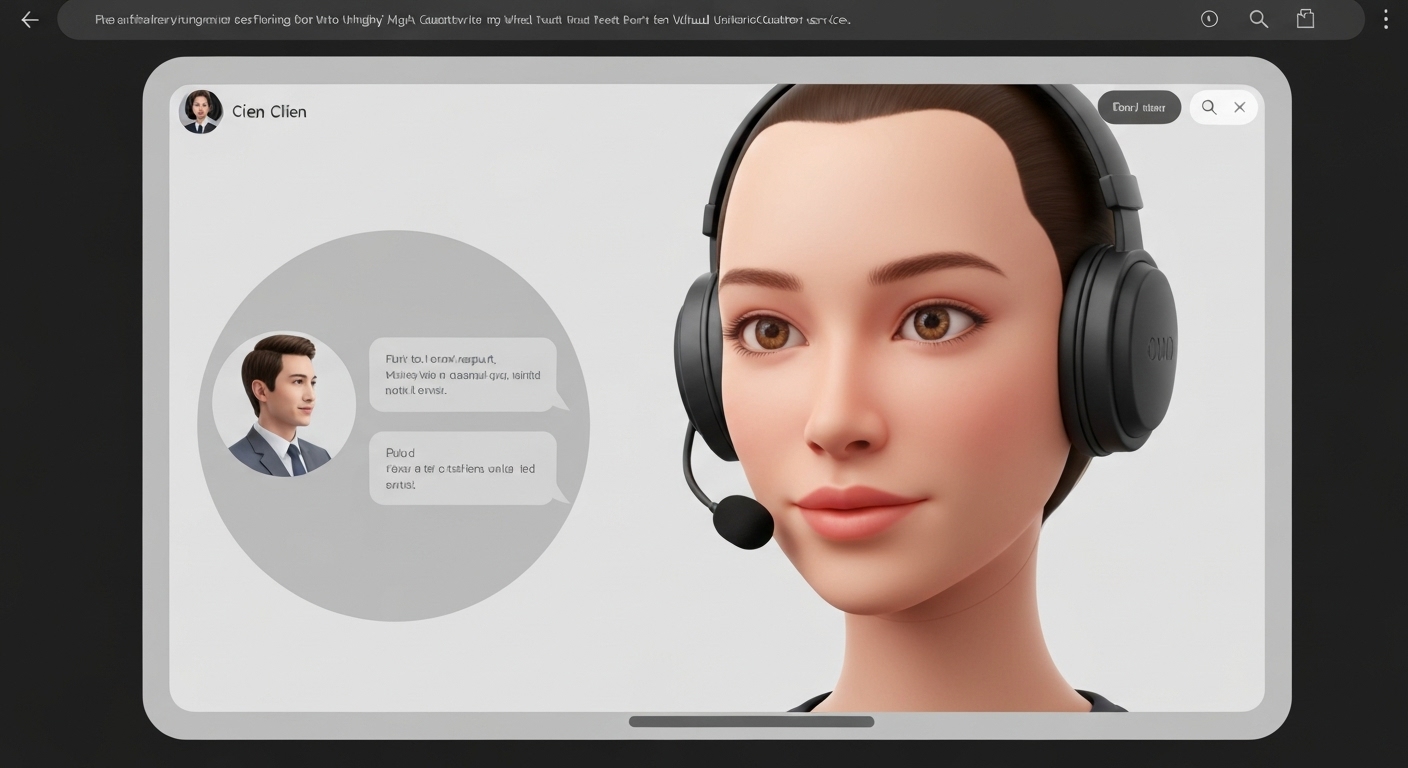
NTRVSTA offers a complete automated screening solution that combines resume analysis with AI-driven interviews. Its unique features include:
- Adaptive AI avatars for human-like interaction
- Soft skill and behavioral assessments
- Multilingual support for global candidates
- Real-time score breakdowns and shareable reports
- Seamless integration with popular ATS tools
By automating both screening and interviewing, NTRVSTA delivers deeper insights early in the funnel—helping hiring teams move faster and more confidently.
Conclusion
Automated candidate screening is no longer a luxury—it’s a necessity for any organization aiming to hire smarter and at scale. With tools like NTRVSTA, you can reduce manual work, improve candidate evaluation, and build a more efficient, inclusive, and data-driven hiring process. As talent competition increases, automation gives you the edge to stay ahead.