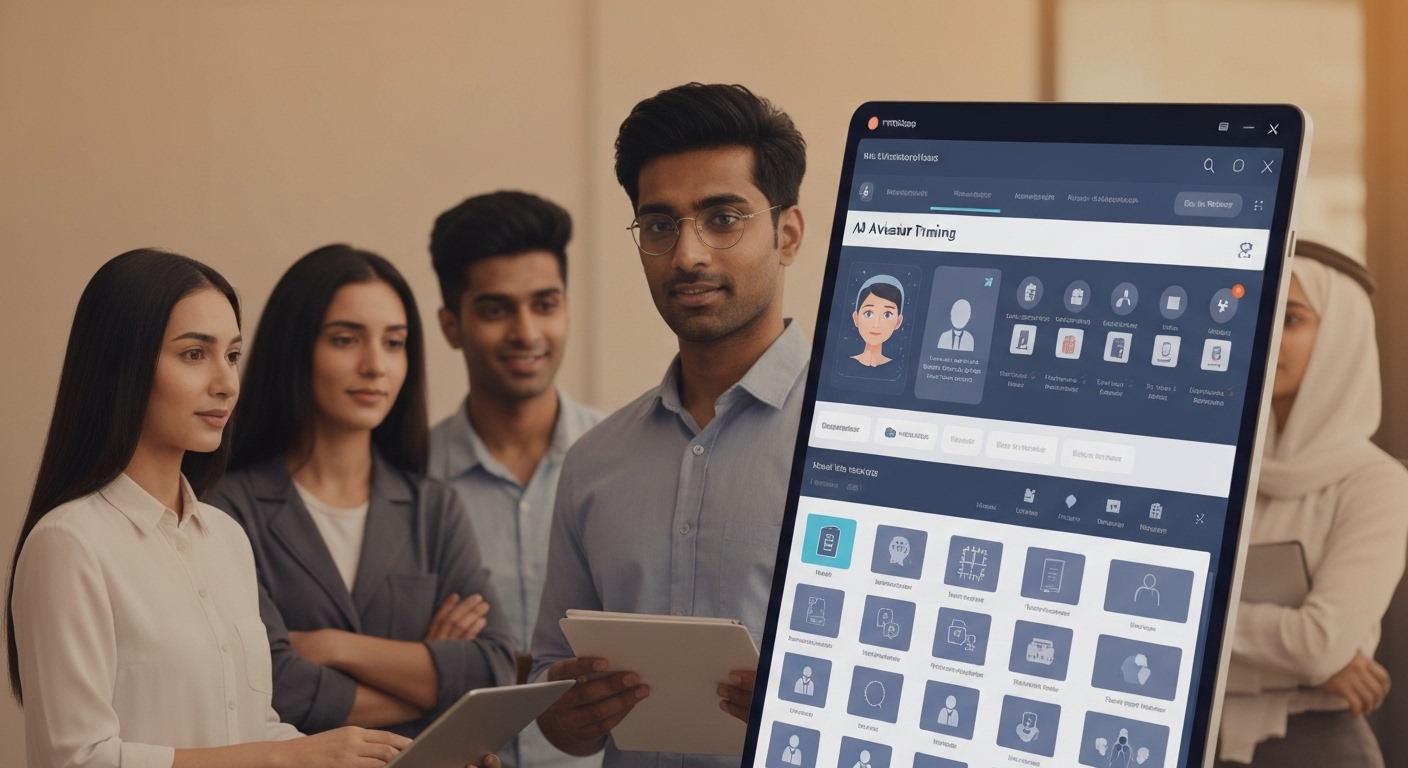
How to Train an AI Avatar to Assist Job Candidates Effectively
Introduction
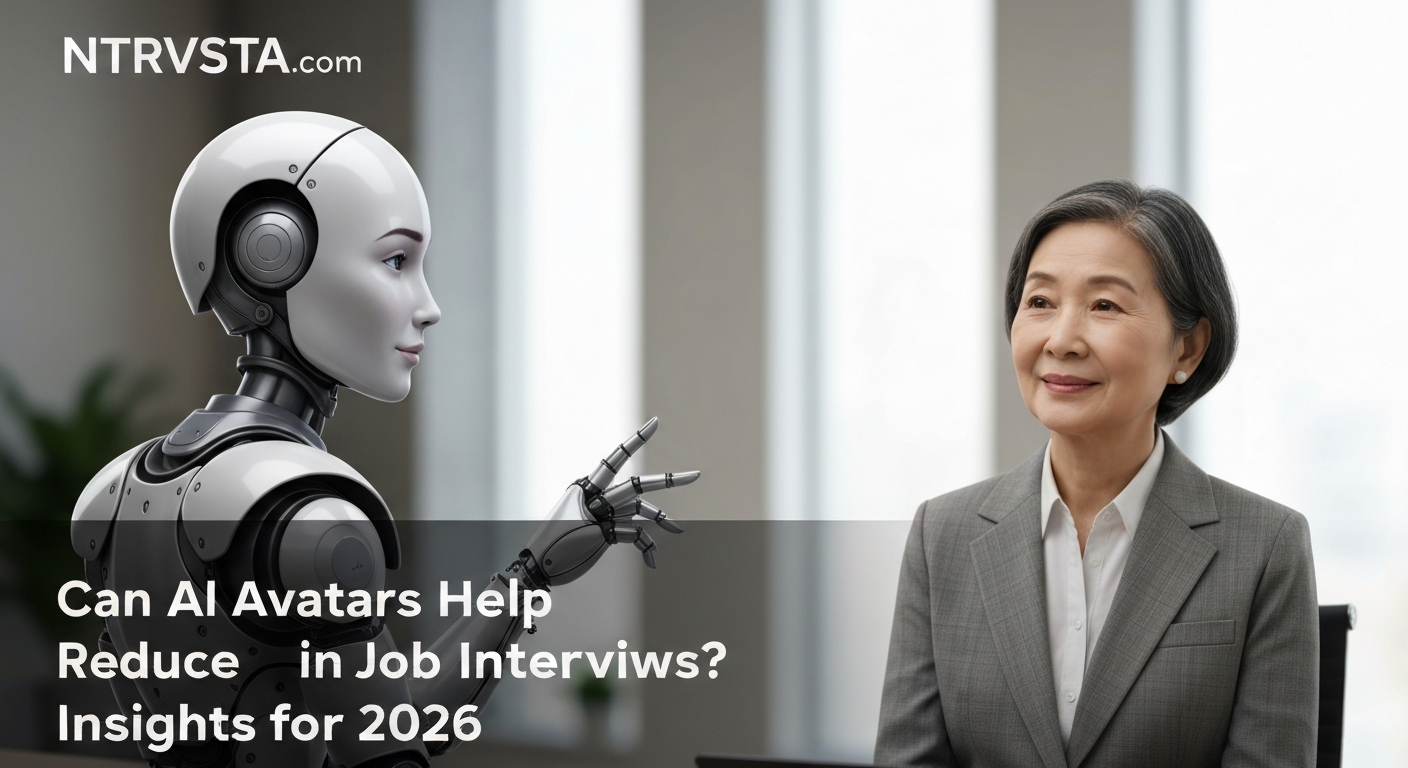
Artificial intelligence is reshaping recruitment with innovative tools designed to enhance candidate experience and streamline hiring workflows. One of the most transformative innovations is the AI avatar, which can interact with job candidates in a personalized and dynamic manner. Training these AI avatars to effectively assist candidates ensures a fair, engaging, and scalable interview process.
In this article, we explore how to train an AI avatar to assist job candidates, detailing the core technologies, customization strategies, and best practices that organizations use today. Platforms like NTRVSTA.com have set the standard for deploying AI interviewer avatars capable of delivering adaptive interviews and insightful candidate assessments.
Understanding the Technology Behind AI Avatars
Core Components
An AI avatar combines several cutting-edge technologies:
- Large Language Models (LLMs) to generate and understand human-like language
- Natural Language Processing (NLP) for interpreting candidate responses
- Real-time speech recognition and synthesis for fluid interactions
- Video rendering to create lifelike avatar expressions and gestures
These elements work together to craft an engaging interface that simulates human interviewer behavior seamlessly.
Platform Integration
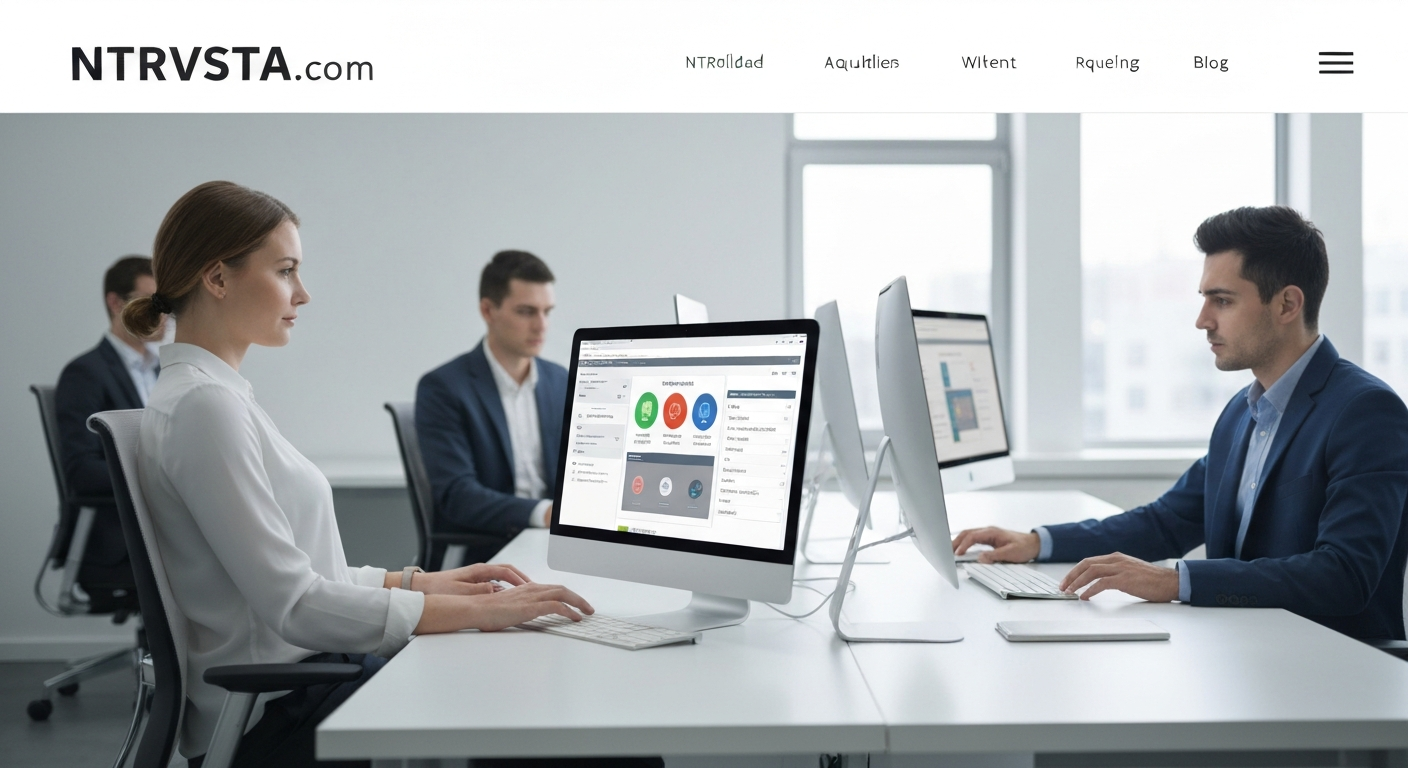
Training an AI avatar also involves integrating with existing recruitment technologies, such as Applicant Tracking Systems (ATS), to manage candidate data and streamline workflow automation. Advanced AI interview platforms like NTRVSTA.com enable seamless synchronization between interviewing and candidate management tools.
Steps to Train an AI Avatar for Candidate Assistance
1. Define Interview Objectives and Role Requirements
Start by outlining the competencies and skills required for the positions the avatar will assist in evaluating. Clearly define the behavioral traits, technical abilities, and cultural fit criteria that matter most.
2. Customize Question Sets and Interview Flows
Use your role requirements to generate tailored question banks. AI avatars can be programmed to adapt questions dynamically based on candidate responses, creating a two-way dialogue rather than static questionnaires. This adaptive questioning approach helps uncover deeper insights into candidate abilities.
3. Train with Realistic Interaction Scenarios
Feed the avatar with extensive conversational examples and coaching data to simulate natural human behaviors like eye contact, tone variation, and pausing. This training ensures the avatar maintains a confident and empathetic demeanor, enhancing candidate comfort during the interview.
4. Implement Feedback and Scoring Mechanisms
Configure advanced scoring rubrics that evaluate responses for clarity, relevance, confidence, and communication style. NTRVSTA.com's AI interview intelligence provides detailed behavior analysis and instant feedback capabilities — critical for objective and consistent candidate evaluation.
5. Conduct Simulated Interviews for Testing
Before full deployment, run trial sessions to monitor how the AI avatar handles various question types, candidate profiles, and dialogue flows. Use these simulations to refine the avatar’s scripting and behavioral algorithms.
6. Continuous Learning and Improvement
Post-launch, gather data on interview performance and candidate feedback to iterate on the avatar’s training. Modern AI interviewer platforms facilitate ongoing optimization by learning from new inputs and adapting accordingly.
Real-World Applications and Benefits
Enhanced Candidate Experience
Job seekers report that AI avatars provide a consistent and interactive experience, reducing anxiety with clear guidance and immediate responses to questions.
Scalability and Efficiency
By automating initial screening interviews, HR teams save significant time, enabling faster decision-making and a larger candidate reach.
Bias Reduction and Fair Evaluation
AI-driven avatars apply standard evaluation criteria impartially, helping minimize unconscious bias often present in human interviews.
Case Example: NTRVSTA.com's AI Interviewer
NTRVSTA.com exemplifies how an AI interviewer avatar can revolutionize recruitment. Their platform adapts interview content dynamically, offers real-time performance insights, and integrates with existing hiring workflows to streamline the entire candidate assessment journey.
Best Practices for Training AI Avatars
- Collaborate with HR and recruitment experts to build relevant question sets
- Use diverse training datasets to ensure inclusive and unbiased avatar behavior
- Regularly update avatar training based on emerging role requirements and feedback
- Monitor interaction performance metrics to identify and resolve weaknesses
Conclusion
Training an AI avatar to assist job candidates effectively involves a multi-faceted approach rooted in advanced AI technologies, thoughtful customization, and continuous refinement. Organizations leveraging industry-leading solutions such as NTRVSTA.com are already experiencing transformative improvements in recruitment efficiency, candidate engagement, and fair assessment standards.
As AI continues to evolve, investing in the training and deployment of intelligent AI avatars will be a crucial step for companies aiming to lead in talent acquisition innovation. Embracing these technologies today can unlock a new era of hiring excellence.
Consider exploring platforms like NTRVSTA.com to start integrating next-generation AI interviewer avatars into your recruitment process and stay ahead in the competitive talent market.